Last Updated on 10/02/2026 by Primrose
There are times when a story forms in our minds from beginning to end and other times ideas collide with each other rendering any sense of actuality. When the latter happens, it becomes frustrating because we can’t make sense of what to write. We know the words are there, we know the plot is there, yet we can’t seem to put them together to form a coherent tale.
Creativity does not begin with an idea or a plot, it begins with inspiration and sometimes that inspiration stems from a question or two.
Questions can help to guide your inspiration to where you want to go but it can also derail it ideas or places you never imagined. Questions centered around what ifs:
- What if the person staring back at you in the mirror began to speak?
- What if someone disappeared but continued sending postcards?
- what if a letter arrived twenty years later?
- What if every mirror in a house suddenly showed a different room?
One small question can become a character, a scene, a short story, or something much larger.
These 50 creative writing prompts are designed to give your imagination somewhere to go. Do not worry about creating a masterpiece. Pick a prompt, grab a snack, write the first strange sentence or word that comes to mind and see what happens next.
First-Line Writing Prompts
First-liners guide you by offering the first sentence on your journey, it does not however mean that the story has to stay on the path that of line. You are allowed to cross paths, circle back, go back in time if you need to. Just ensure that every word is your own, it’s the path you want to take, it’s the building block to something you want to see happen.
- By morning, every mirror in the house had been covered.
- Nobody remembered inviting him.
- The voicemail was dated three years in the future.
- I knew the handwriting before I saw the name.
- The town only appeared when it rained.
- We had been told to never open the red door.
- My mother called me yesterday, which would have been normal if she had not been died seven years ago.
- Everyone in town remembered the accident except me.
- The packaged contained nothing but a key and my childhood address.
- At exactly 3:17 every morning, someone knocked on the apartment above mine – even though it had been empty for years.
Character Prompts
Have you ever found yourself analyzing a person and wondering about the story behind the mask they were. it could be the way their smile never meets their eyes, the limp in their walk or even a hidden scar you caught a glimpse of once. Begin with a person rather than a plot. Ask what they want, what they fear, and what they are hiding.
- Write about someone who keeps every apology they never received inside a box.
- Create a character who only lies on Tuesdays.
- Write about a child who remembers other people’s dreams.
- Create a librarian who secretly removes one book from circulation every years.
- Write about someone who can always tell when another person is about to leave them.
- Create a character who changes their identity every ten years.
- Write about someone who pretends not to recognize their own sibling.
- Create a person who has spent their entire life preparing for an event that may never happen.
- Write about someone whose greatest talent embarrasses them
- Create a character who receives a letter written by their future self.
Relationship Writing Prompts
Relationships immediately create tension because people rarely want exactly the same thing. It’s about giving and taking. Relations provide the perfect tension, build and climax in a story.

- Two former best friends unexpectedly become neighbors.
- A mother and daughter have been writing letters to each other for years – but neither has mailed them.
- Two strangers discover they have been anonymously corresponding online for decades.
- Siblings inherit different versions of the same family story.
- Someone attends the wedding of the person they once planned to marry.
- Two people meet every year on the same date but never speak between meetings.
- A married couple realizes that each has been secretly saving money to leave.
- Two people who cannot stand each other discover they have been unknowingly helping each other.
- A parent finds a journal their adult child wrote as a teenager.
- Two siblings return home to clean out their childhood house and find something neither remembers.
Setting Prompts
Sometimes the location itself becomes the story. A location can hold onto pieces of the past, present and future. Go back in time, redesign the present or dictate your vision of the future.
- Write about a town where everyone must be indoors before sunset, although nobody remembers why.
- Create a hotel where nobody is permitted to stay in Room 7.
- Write about an abandoned train station where one train still arrives every night.
- Create a house in which every room exists in a different year.
- Write about a city where everyone disappears on the same birthday.
- Set a story in a library where unfinished books continue writing themselves.
- Create a small island where nobody is allowed to leave after turning eighteen.
- Write about a neighborhood in which one house never changes.
- Set a story inside a restaurant that only appears to people who are about to make an important decision.
- Create a road that never takes travelers to the destination they intended.
Mystery and Secret Prompts
A story becomes difficult to put down when the reader desperately wants an answer. Create suspense, intrigue the person on the other side of your words and pull them in.
- A woman receives flowers every year from someone who has been dead for a decade.
- Someone discovers a photograph showing them at an event they never attended.
- A diary contains an entry dated tomorrow.
- A family discovers a locked room hidden behind a wall during renovations.
- A child recognizes a stranger from a recurring dream.
- A person begins receiving postcards from their missing sibling.
- Every resident in an apartment building receives the same anonymous letter.
- A character discovers an important childhood memory never happened.
- Someone notices the same unknown person standing in the background of every family photograph.
- A character inherits a watch that stopped at the exact moment someone disappeared. One morning, it begins ticking again.
Turn an Emotion Into a Story
Some of us If none of those ideas feels right, begin with an emotion instead. Not everything has to begin with a line, location or person. Sometimes we are driven by our emotions and that’s okay. If that is the case, embrace that emotion and choose:
- Loneliness
- Jealousy
- Fear
- Regret
- Anger
- Hope
- Grief
- Longing
Then create a situation in which the character feels that emotion. To give yourself more of a challenge, do not name the emotion anywhere in the scene. Instead show it through:
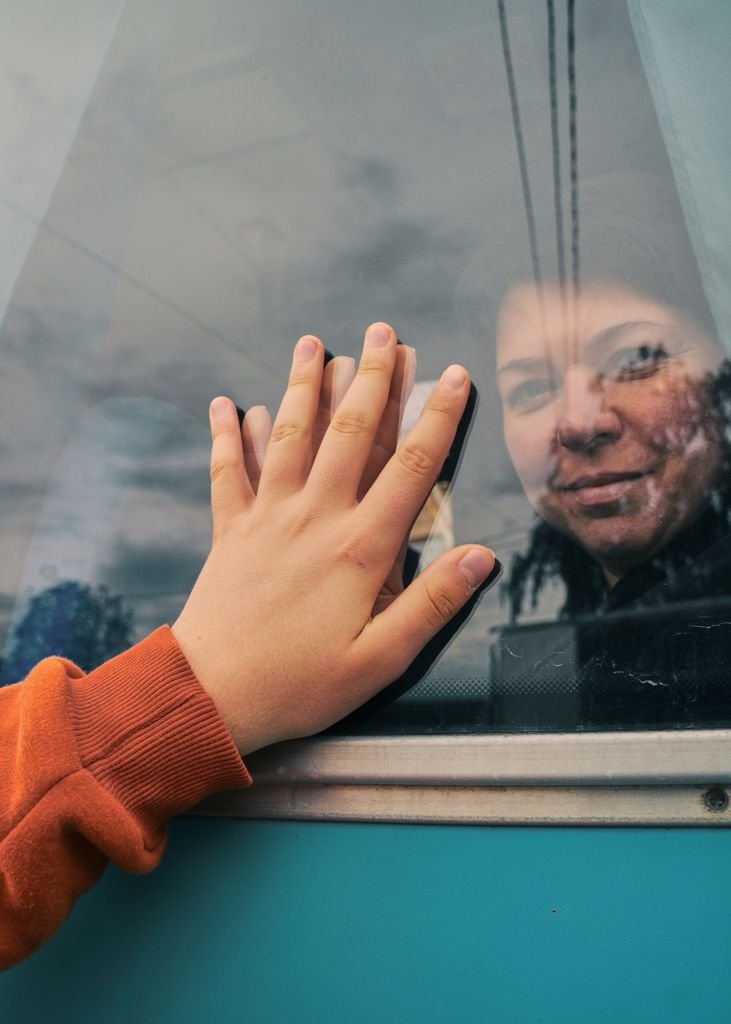
- What they notice
- What they avoid
- Their body language
- What they say
- What they refuse to say
- The objects around them
- Their decisions
For example, instead of writing:
–She was lonely.
You might show her automatically setting two cups on the table before quietly putting one back.
This is where emotion becomes story.
Try the 10-Minute Challenge
Choose one prompt. Set a timer for ten minutes. For those ten minutes:
- Do not delete anything.
- Do not edit.
- Do not research.
- Do not worry about grammar.
- Do not decide whether the story is good.
- Keep moving forward.
When the timer ends, reread what you wrote. Underline one sentence that feels interesting then ask: what happens next? Write for another 10 minutes.
You Do Not Need the Whole Story Before You Begin
Writers sometimes believe they need the plot, characters, ending, theme, and perfect opening sentence before they are allowed to start. You do not. You can begin with:
- A door.
- A photograph.
- A lie.
- A strange letter.
- Someone knocking.
- A person who wants something.
Sometimes the story reveals itself only after you begin writing it. So choose the idea that makes you curious. Follow it. You can figure out what it means later
Keep Creating
Try the Image Writing Prompts Gallery
Explore the Journal Writing Prompts
Or if you are interested in poetry, check out our Poetry Prompts
The blank page does not need your best idea. It just needs your first one.